The egg aisle has never been more confusing. Cage-free, free-range, organic, pasture-raised, vegetarian-fed, hormone-free. Most of these labels mean far less than they suggest. A few of them matter a great deal. This guide cuts through the marketing language and explains what each term actually means for the hen and for the egg on your plate.
Key Takeaways
- Pasture-raised eggs come from hens with genuine outdoor access on living grass. Every other label falls short of that standard in practice
- Cage-free means indoors only. Free-range means a door exists, but the USDA does not require meaningful outdoor space or time
- Research has found pasture-raised eggs contain 2 to 3 times more omega-3 fatty acids and up to 6 times more vitamin D than conventional store eggs
- Penn State University found pasture-raised eggs had over 21 times the folate of conventional eggs in one study
- The yolk color tells you something real: a deep orange yolk reflects beta-carotene from foraging. A pale yellow yolk reflects a grain-only diet indoors
- Buying direct from a local farm is the only way to know for certain how the hens are raised
What Every Egg Label Actually Means
Before comparing nutrition, it helps to understand what you are actually buying when you read each label. The gap between how these terms sound and what they legally require is significant, and most shoppers do not know it exists.
Labels that mean nothing: "Natural," "Farm Fresh," "Hormone-Free," and "All-Natural" have no regulatory meaning on egg cartons. Federal law already prohibits hormone use in all poultry raised in the United States, so hormone-free on an egg carton is a marketing claim that tells you nothing. "Farm Fresh" and "Natural" are entirely unregulated.
The Nutrition Difference: What the Research Shows
The reason pasture-raised eggs consistently outperform store eggs in nutrition comes down to diet and sunlight. Hens that forage on pasture eat a varied diet of grass, insects, worms, and seeds alongside their feed. That varied diet shows up directly in the egg.
Research from Penn State University, published in the Journal of Applied Poultry Research, compared eggs from hens in pasture systems to eggs from conventional caged hens. The researchers found measurable differences across multiple nutrients. Separate research published in Food Chemistry found that outdoor access and sunlight exposure significantly increased vitamin D content in eggs from hens with genuine outdoor time compared to eggs from indoor-only hens.
| Nutrient | Pasture-Raised Eggs | Conventional Store Eggs | Research Source |
|---|---|---|---|
| Omega-3 Fatty Acids | 2 to 3 times more | Baseline | Penn State University, Deer Run Acres review of multiple studies |
| Vitamin D | Up to 6 times more | Baseline | Kuhn et al., Food Chemistry, 2014; Certified Humane summary |
| Vitamin E | Significantly higher | Baseline | Karsten et al., Journal of Applied Poultry Research, 2010 |
| Beta-Carotene | Up to 7 times more | Baseline | Certified Humane research summary |
| Folate | Over 21 times more in one study | ~48 mcg per egg | Penn State University study, cited by h3poultry.com |
| Protein and Calcium | Similar | Similar | USDA FoodData Central, 2024 |
Why the yolk color matters: The deep orange color of a pasture-raised yolk is not cosmetic. It is a direct reflection of beta-carotene content, which comes from the green plants and insects hens forage on outdoors. A pale yellow yolk from a store egg reflects a diet of grain only, with no access to the varied nutrition of a real pasture. The color is the most visible nutritional signal you can see before you even crack the egg.

How the Hens Actually Live: Pasture vs Store
The nutrition difference is a direct result of the difference in how the hens live. Understanding the actual conditions behind each label makes the nutrition data easier to interpret.
- Conventional store eggs come from hens confined in battery cages roughly the size of a sheet of paper, stacked in large industrial barns. They eat a grain-only diet and never see natural sunlight. These represent the majority of eggs on grocery store shelves.
- Cage-free barn eggs come from hens in open indoor sheds without individual cages. The shed is still entirely indoors, the diet is still grain-only, and the hens still have no access to sunlight or forage. Conditions in cage-free barns vary widely and are often still very crowded.
- Free-range eggs come from hens with technically some access to outdoors, but the USDA requires no minimum space and no minimum time. Many free-range operations have a small door to a concrete pad that most hens never reach. The nutrition profile is often similar to cage-free.
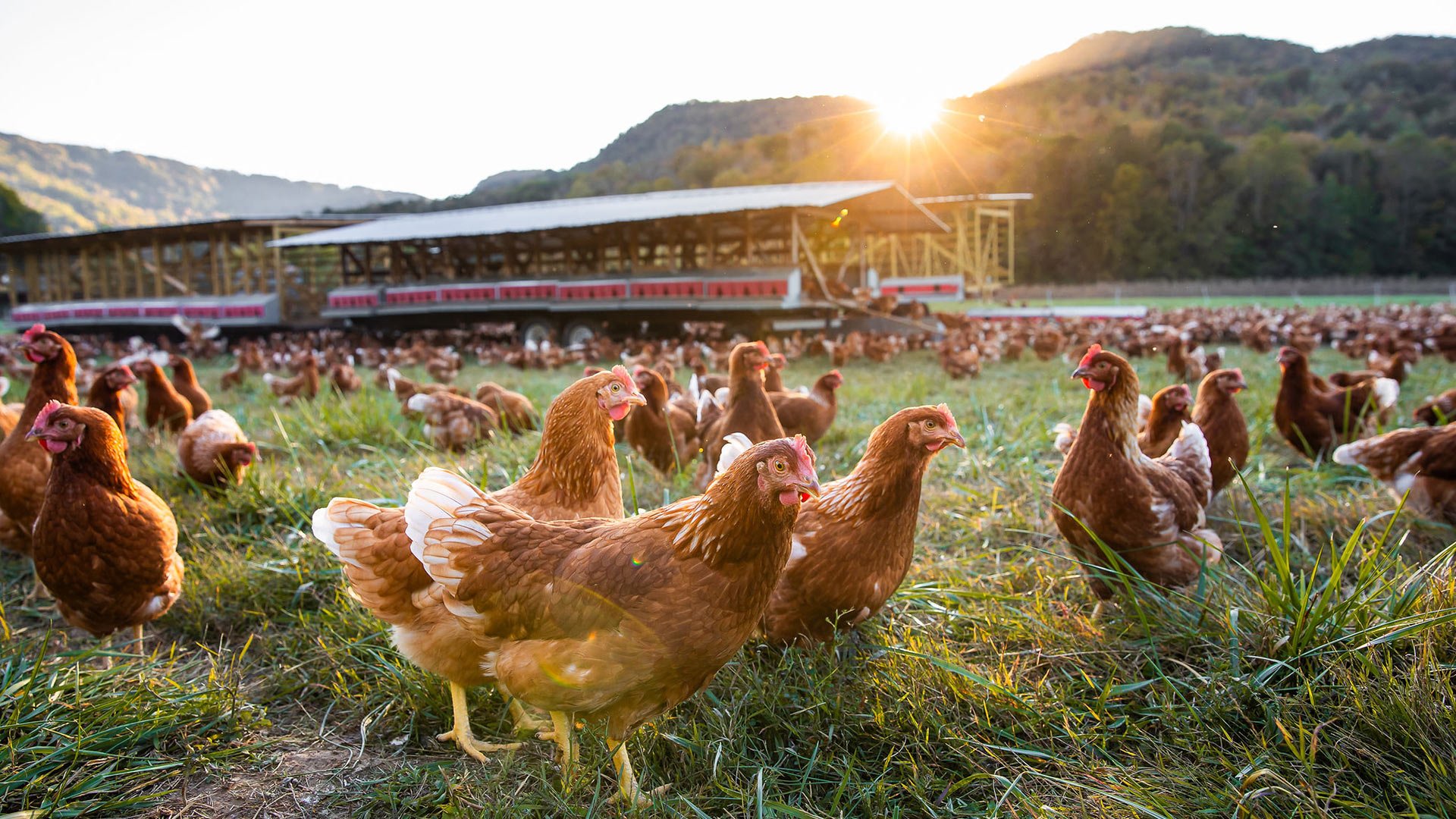
- Genuine pasture-raised eggs come from hens with real daily access to living grass, where they scratch, peck, and forage for insects, worms, and seeds to supplement their feed. This foraging is what drives the measurable differences in omega-3s, vitamin D, vitamin E, and beta-carotene.
- Farm-direct eggs from a farm you can visit are the most reliable option of all. When you buy eggs directly from Rural Valley Farms in Butler County, you can see exactly how the hens are raised, what they eat, and what conditions they live in. No label can match that transparency.
Want Eggs From Hens That Actually Live on Pasture?
Call Rural Valley Farms in Butler County PA to check current availability and arrange a pickup.
Do Pasture-Raised Eggs Taste Different
Yes, and the difference is noticeable from the first egg. Pasture-raised eggs from hens that forage on grass and insects have richer, more flavorful yolks with a deeper color and firmer texture than store eggs. The whites stand up taller in the pan and do not spread as thin.
The flavor difference is most obvious in preparations that highlight the egg: fried eggs, scrambled eggs, and baked goods where eggs carry the flavor of the dish. Many families who switch to farm-fresh eggs near Pittsburgh find it difficult to go back to store eggs once they taste the difference.
The flavor also varies with the season and the pasture quality, which is one of the things that makes farm-direct eggs genuinely interesting to cook with. Spring and early summer eggs from hens on lush new pasture growth are noticeably richer than winter eggs. This seasonal variation is a feature of real food, not a flaw.

Are Pasture-Raised Eggs Worth the Extra Cost
Pasture-raised eggs from a local farm cost more per dozen than store eggs. The question is whether the difference is worth it, and for most families who understand what they are actually comparing, the answer is yes.
The cost difference shrinks significantly when you buy direct from a farm rather than through a retailer. Supermarket pasture-raised eggs carry a brand premium, a retailer markup, and a distribution cost on top of the actual production cost. Farm-direct eggs from a Butler County farm cut most of those layers out. Families already purchasing our bulk beef orders in western Pennsylvania often find it straightforward to add eggs to the same pickup trip.
The honest comparison: Comparing a dozen pasture-raised farm eggs to a dozen conventional store eggs is not comparing the same product at different prices. The nutrition profile, the yolk quality, the flavor, and the conditions the hens lived in are all different. A more useful comparison is between pasture-raised farm eggs and the premium pasture-raised brands at Whole Foods or similar retailers. On that comparison, farm-direct eggs from Rural Valley Farms are typically the same price or less per dozen, with the added transparency of knowing exactly where they came from.
What to Look for When Buying Eggs
- Buy direct from a farm you can visit. This is the gold standard. You can see the hens, the pasture, and the conditions firsthand. No label or certification can match that level of transparency.
- Look for third-party certification if buying in stores. Certified Humane and Animal Welfare Approved are the most reliable third-party certifications for pasture-raised eggs. Without one of these, the term pasture-raised on a carton is unverified.
- Check the yolk color. A deep orange yolk indicates meaningful foraging on pasture. A pale yellow yolk indicates a grain-only diet regardless of what the label says.
- Do not rely on cage-free or free-range alone. Both labels fall far short of what most shoppers picture when they read them. The nutrition difference between cage-free eggs and conventional eggs is minimal.
- Ignore hormone-free, natural, and farm-fresh labels entirely. These terms are either legally meaningless on eggs or describe conditions that apply to all eggs by law already.
Also from Rural Valley Farms: Alongside our pasture-raised eggs, we sell A2 raw milk near Pittsburgh from our pasture-raised dairy herd, grass-fed beef shares, and products from our farm pantry and bakery. Many families combine a half cow share with eggs and dairy in a single monthly pickup. See our half cow cost guide for full beef pricing.
Frequently Asked Questions
The egg questions we hear most from Pennsylvania families before their first farm pickup.
Ready to Try Real Pasture-Raised Eggs?
Hens raised on living pasture in Butler County Pennsylvania. Call to check current egg availability and arrange a pickup at the farm.
(724) 809-7802 Monday through Saturday, 8am to 6pm Eastern Call to Check Egg Availability